The Crossing

Menu Image

The Crossing

About Us

Independent Short Film

Amman, Jordan

© 2026 THE CROSSING. ALL RIGHTS RESERVED.

DESIGNED BY MANASAH

A short film based on the true story of a Nakba survivor.

Logline

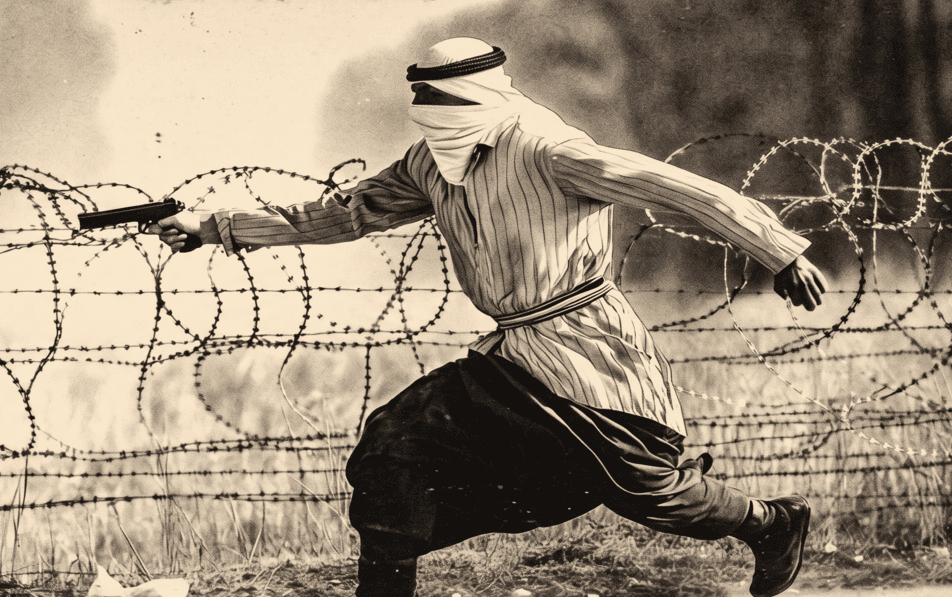
Mahmoud Al-Fares, a fourteen-year-old boy, crosses into the city of Lydd after the Nakba in 1948 to retrieve his family's property deeds and documents proving their existence, but his journey back turns into an attempt to survive when he is besieged inside a Bayyara by a group of Zionist gangs.
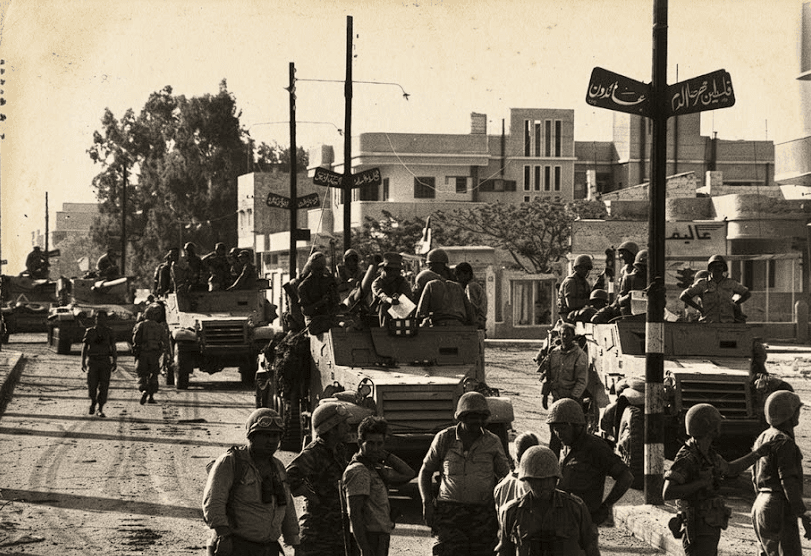
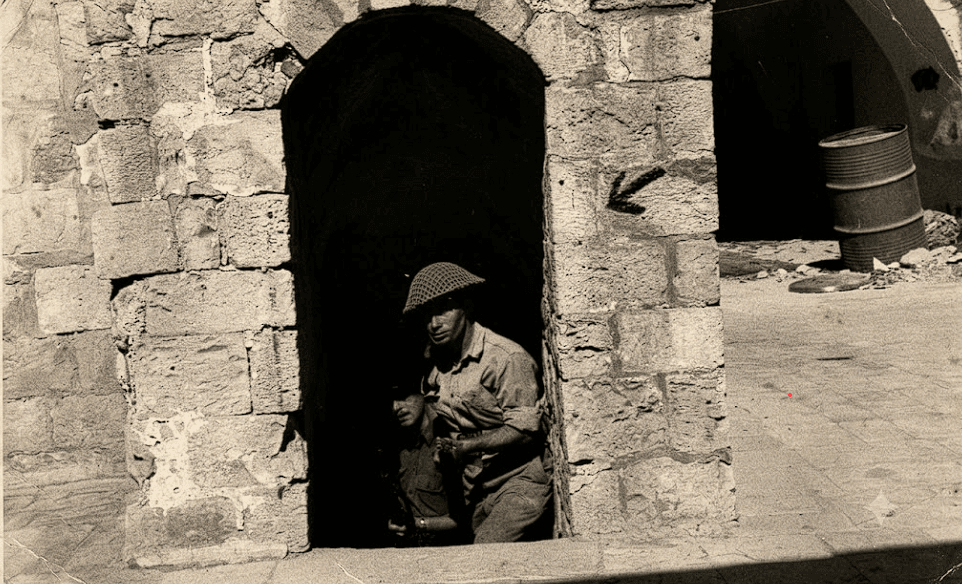
1948Lydda, Palestine
Lydda 1948
Synopsis — Lydda 1948
Synopsis

Mahmoud (14) secretly enters his abandoned home in Lydda through a window after Zionist militias seize control of the city. Moving carefully through the silent house, he retrieves an old suitcase hidden beneath the bed containing documents proving his family's ownership of their house. Relieved to find them untouched, he eats and drinks hungrily in the kitchen then he leaves quickly.

On his way back, Mahmoud picks an orange from a nearby tree and throws the peel onto the roadside before entering a nearby farm in search of water. As he quietly lowers a bucket into a well, a Zionist militia group led by Moshe passes by. Moshe notices the fresh orange peel and immediately orders a search of the farm. Hearing them approach, Mahmoud climbs down into the well and hides in the darkness.

The militia discovers only the suitcase. After finding the documents inside, Moshe orders it burned. Moments later, Moshe hears a sound coming from inside the well, so he looks inside the well, but he doesn't see Mahmoud because of the well's depth. The group is urgently called away by radio. Mahmoud emerges to find the suitcase destroyed, then returns to his family, which lives inside a cave in the mountains.

Director Statement
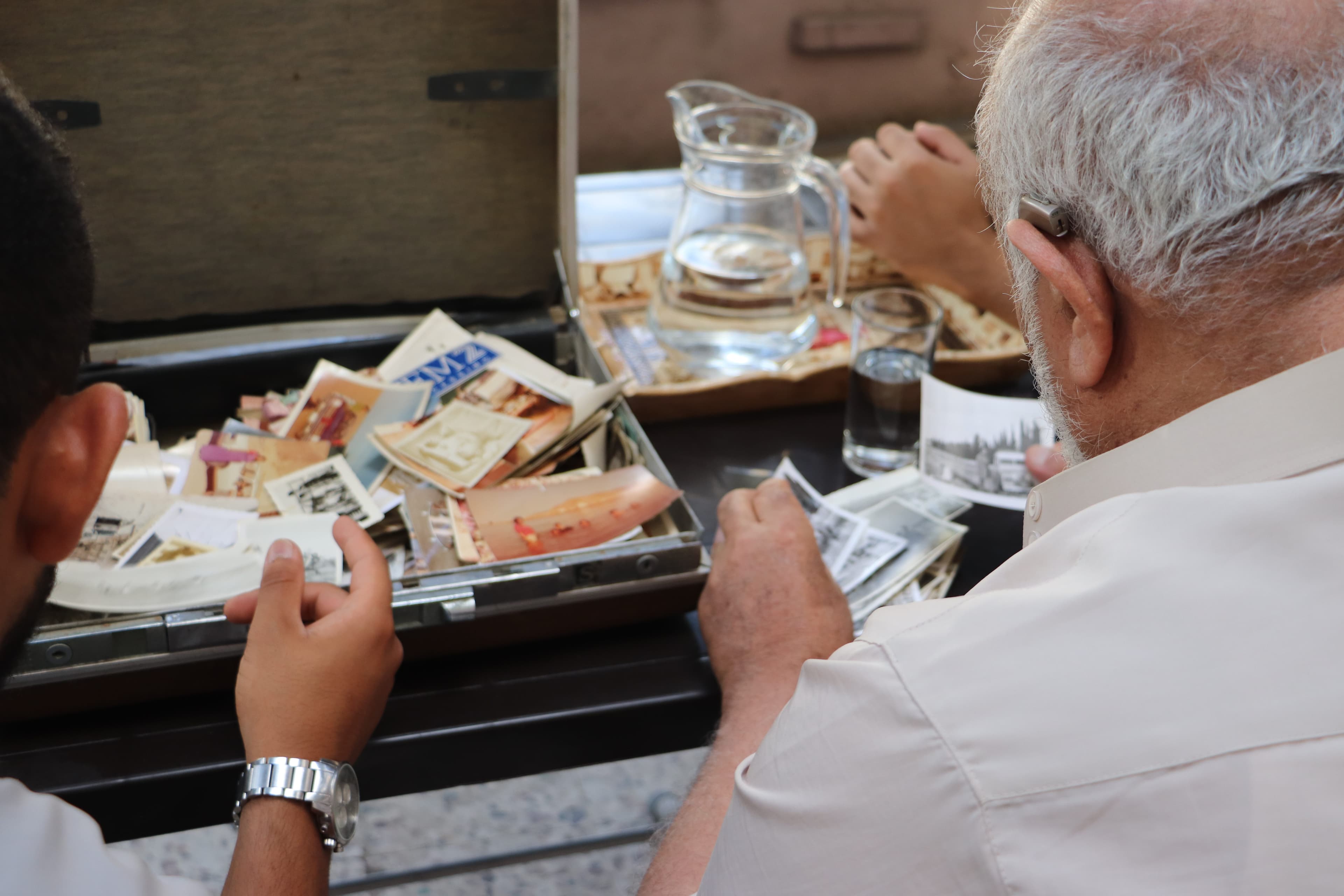
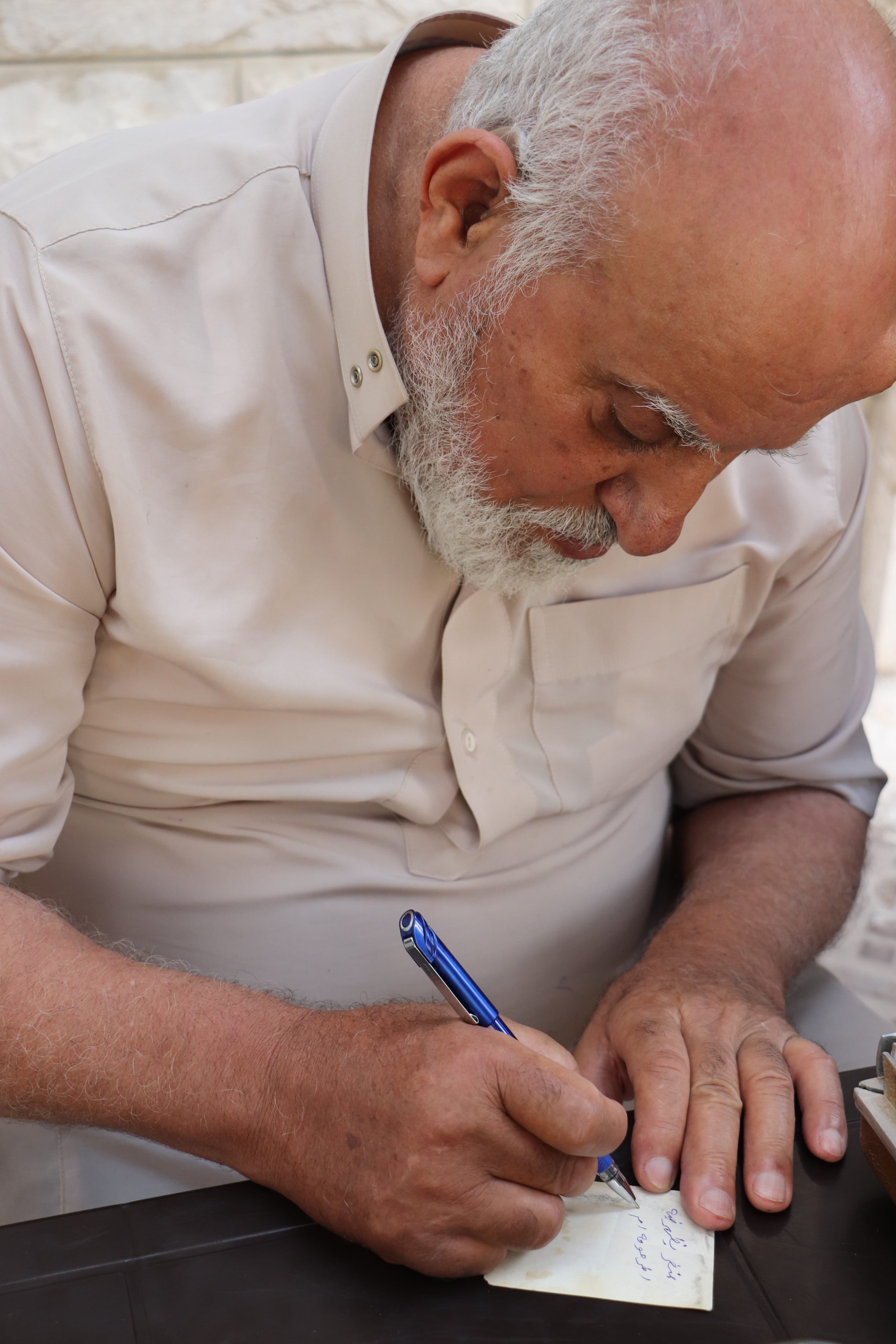
Sedo writing
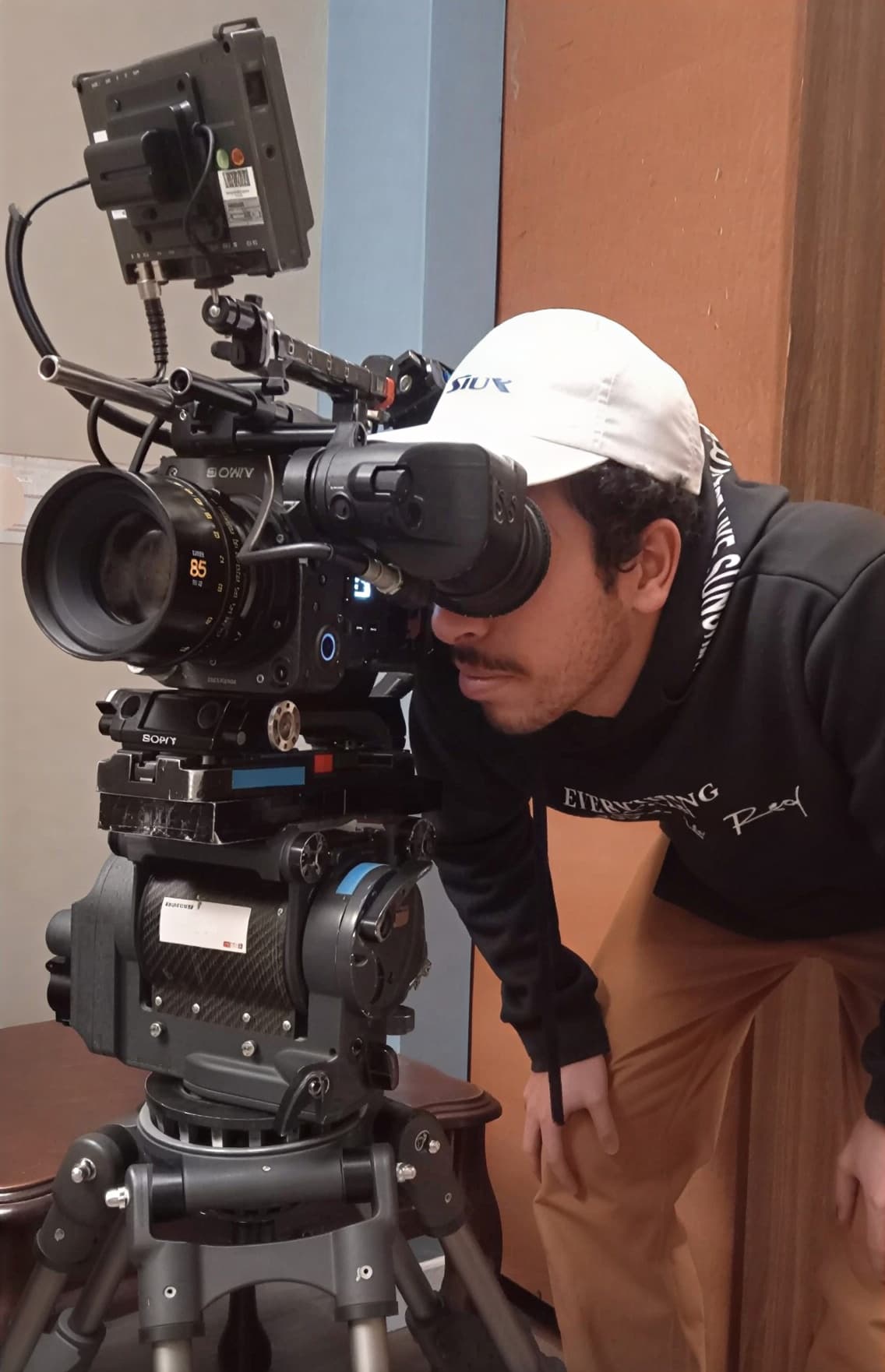
Saqr Ata
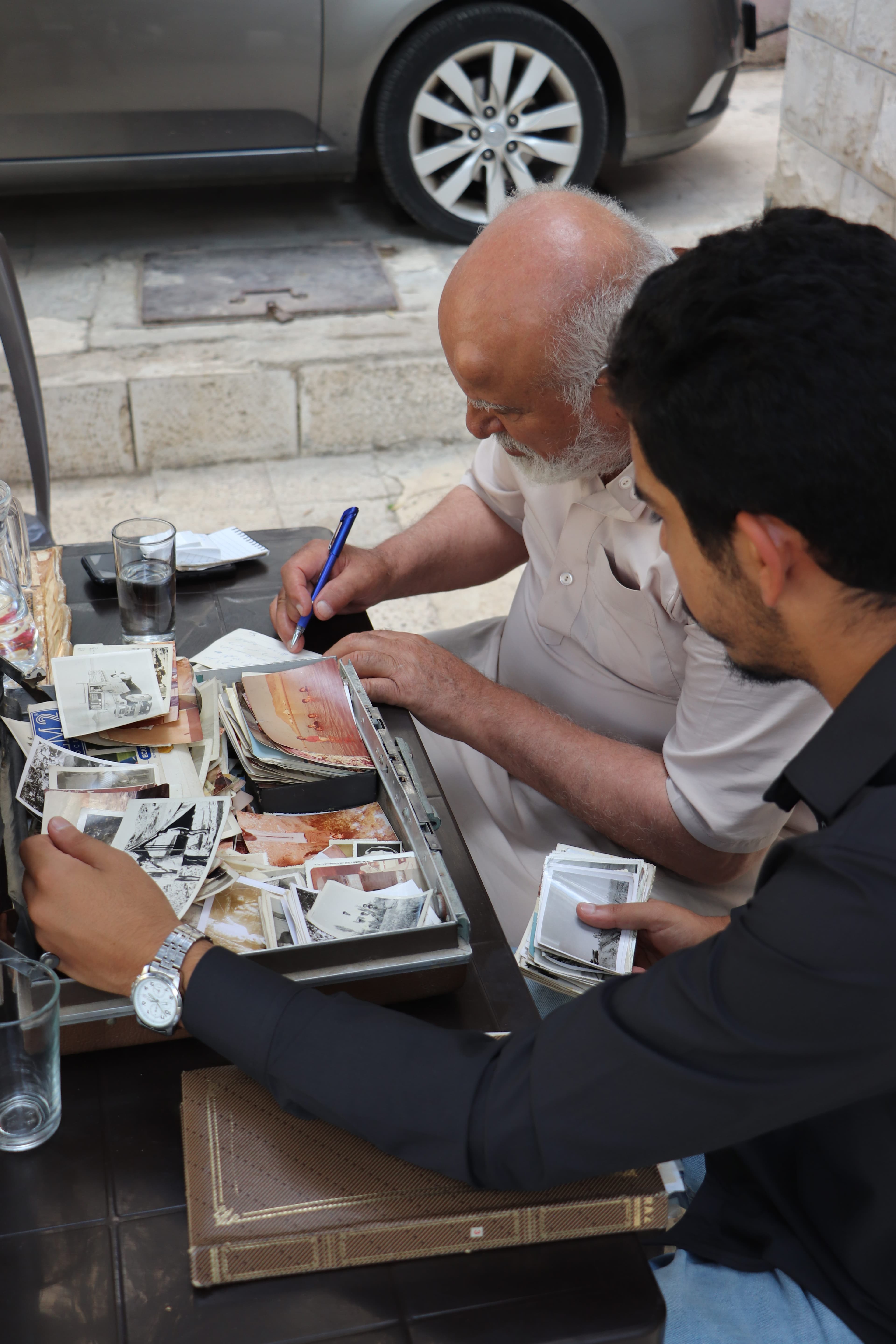
Saqr and Sedo

The crossing stories were among the most frequently mentioned by my grandfather, Mahmoud Al-Fares. I didn't pay much attention to them in my youth, perhaps due to the difficulty of the terminology used and the lack of a storytelling style during their narration. But when I started a project to compile all my grandfather's stories and memoirs related to the Nakba into a book, this particular story amazed me, and I felt as if I were watching a tightly woven, highly suspenseful film.

I had started with my aunt during the 2020 COVID-19 quarantine period by collecting all the stories in the form of videos, then I transcribed them into texts and gathered supporting photos to create a book titled 'From the Memoirs of Mahmoud Al-Fares (A Witness to the Nakba)' which will be published soon.

I feel that what is greatly missing when looking, researching, and talking about the Nakba is the tragedy of the simple Palestinian peasant, especially the children and teenagers among them, and how their lives were turned upside down within a few years, as if they and their stories were marginalized as collateral damage alongside the main event. However, I believe that the focus must consider the story of the simple human to humanize him and pause at his tragedy to understand the bigger picture through his story.

From the book, the story of the second crossing stands out strangely, as if it were a film calling to be produced. Crossing in the context of the Nakba refers to journeys undertaken by the displaced - from the '1948 territories' to the West Bank - where they would return to their empty towns and villages (under Israeli control) to bring back their necessities to the West Bank (the distance could exceed fifty kilometers). Most of them, like my grandfather, left their towns and villages without carrying anything at all. These journeys were considered very dangerous, and many died during them. Not everyone dared to do them, not even my grandfather's own brothers, keeping in mind that his age at the time did not exceed sixteen years.

Among the feelings I seek to convey in the film is the sense of oppression and helplessness regarding what happened to him. My grandfather still tells the story with intense burning pain as if it happened yesterday, even though nearly eighty years have passed since the event. He tells it while sitting in his home in Amman, surrounded by his children and grandchildren. I believe that the same feelings have been transferred to me through inherited generational trauma, as whenever I hear or read it, the exact same feelings possess me.

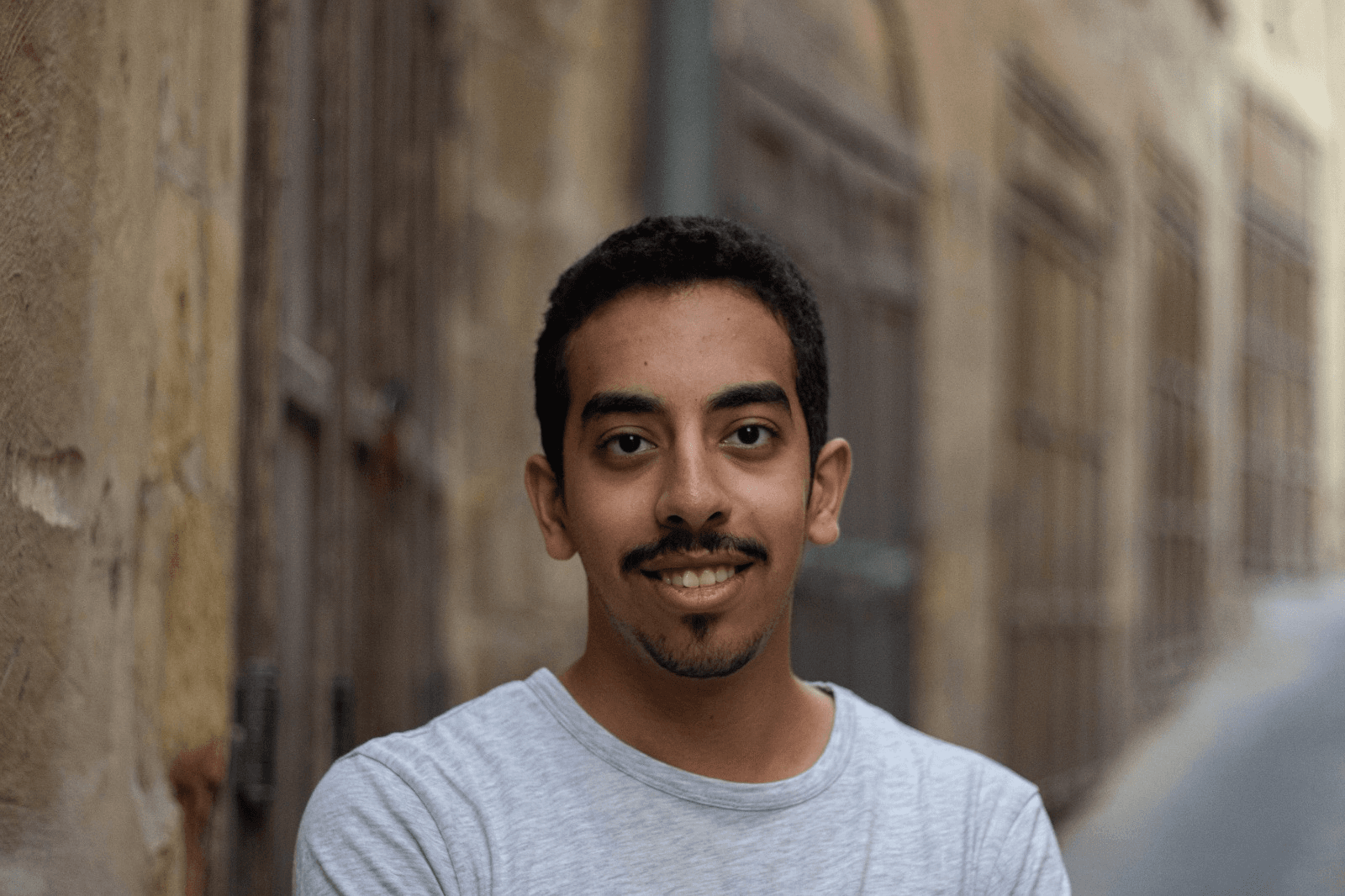
Saqr Ata

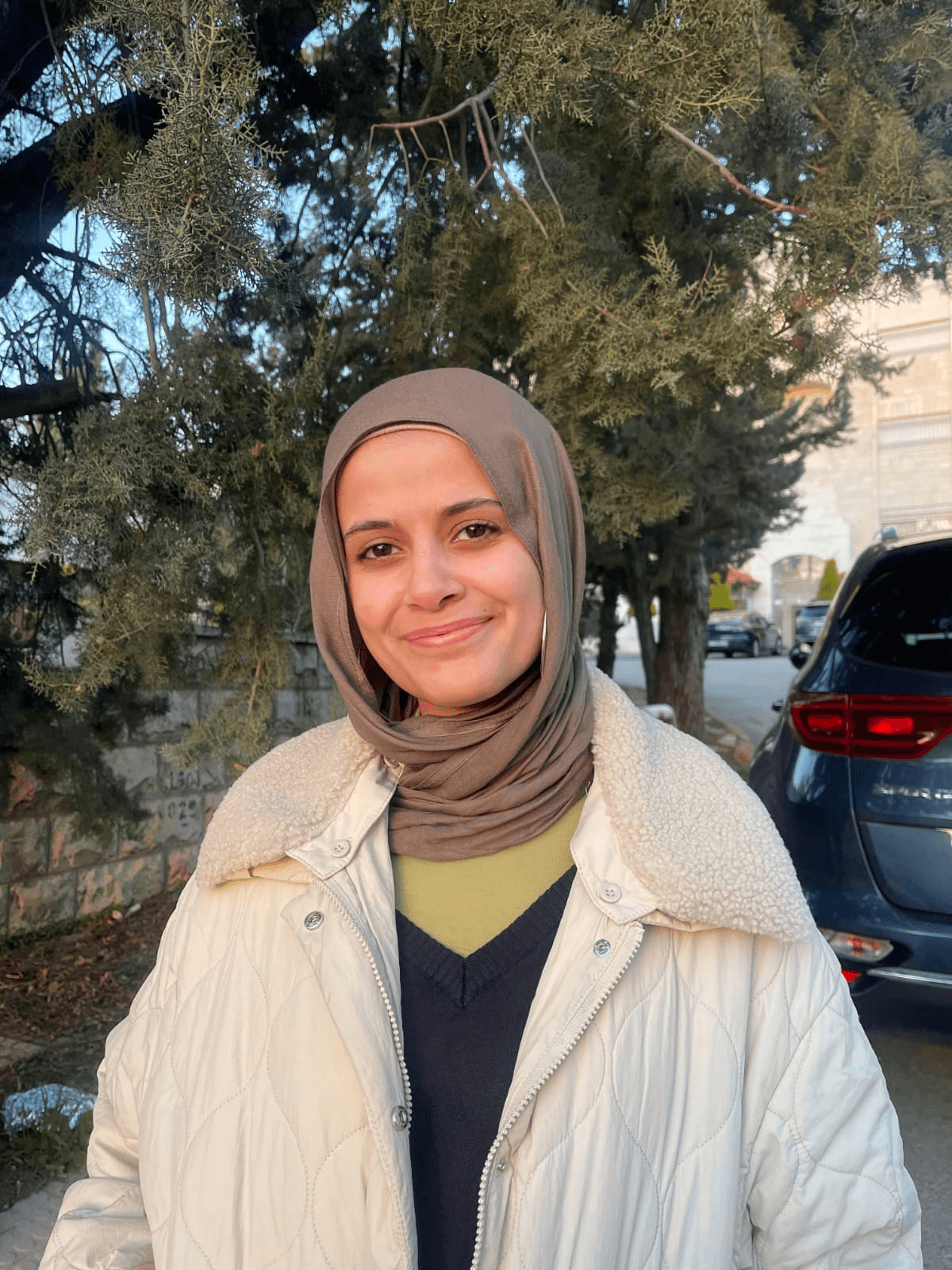
Writer & Director

The Team

Saqr Ata

Writer & Director

Saqr Ata

Aseel Sharsheer

Producer

Aseel Sharsheer

Based in
Amman, Jordan

Independent
Short Film

Contact

Contact

Get in touch

saqr.omar.atta@gmail.com

© 2026 THE CROSSING.
ALL RIGHTS RESERVED.

DESIGNED BY MANASAH